Top 5 Die Cutting Techniques You Need to Know?
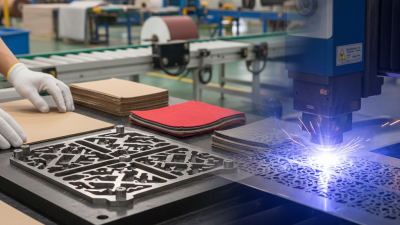
Die Cutting is a transformative technique popular among crafters and manufacturers alike. It refers to the process of using a die to cut specific shapes from various materials. Craft enthusiasts can create intricate designs, while businesses benefit from precision in manufacturing. Understanding the different die cutting techniques is essential for achieving the best results.
There are several die cutting methods, each with unique advantages and challenges. From manual to electronic methods, they cater to different needs. Crafting projects can become more versatile with the right technique. However, one must be careful with equipment choices. Some methods can be costly, and learning curves may vary.
Die Cutting is not a one-size-fits-all solution. Planning and practice are crucial. Mistakes can happen, leading to waste or frustration. Embracing imperfection can drive improvement and creativity in design. Recognizing your project's requirements will guide your technique selection. Experimenting with different methods will lead to mastery.
Essential Tools for Die Cutting: An Overview of Must-Haves
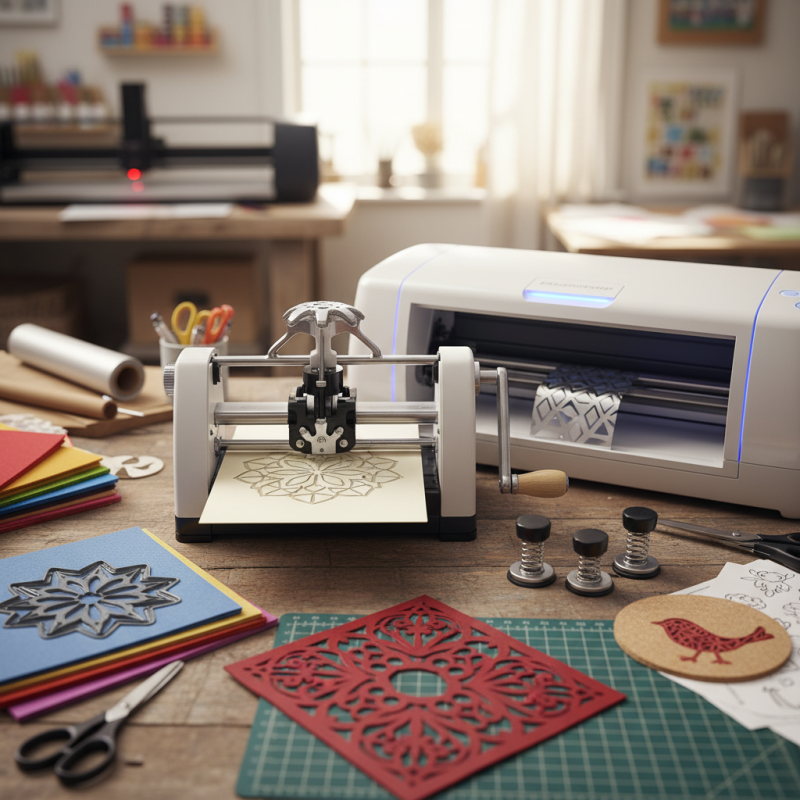
Die cutting is a versatile technique, and having the right tools can make a huge difference. Essential items include a die cutting machine, which forms the heart of any setup. Look for models that suit your projects, whether you're crafting or working on larger designs. A good machine offers various pressure settings and can handle different materials.
Another must-have is a quality selection of dies. These come in various shapes and sizes, suitable for different projects. Investing in a few basic shapes can spark creativity. Additionally, a cutting mat protects surfaces and prolongs the life of tools. It helps in achieving clean cuts and ensures precise alignment.
Choosing the right paper is crucial too. Thick cardstock works well, but different textures can produce varied results. Experimenting with materials can highlight unique aspects of your design. Lastly, remember to keep your tools organized. A cluttered workspace can lead to mistakes and delays. Reflecting on your setup can improve efficiency and inspire better creations.
Understanding Different Die Cutting Methods: A Comparative Guide
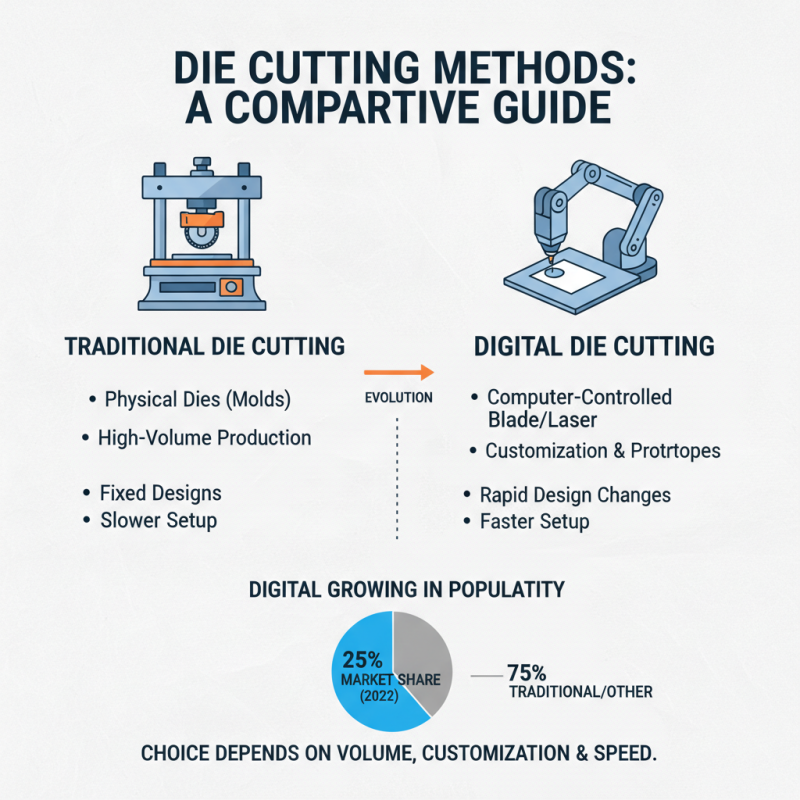
Die cutting is a vital process in various industries, impacting everything from packaging to crafting. Understanding the different die cutting methods can help professionals choose the best approach for their specific needs. Digital die cutting has gained popularity, accounting for over 25% of the market in 2022. This technique allows for quick changes in design, catering to custom demands effectively.
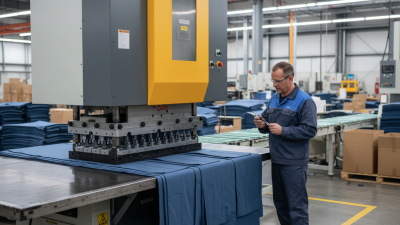
Another method is steel rule die cutting, widely used for high-volume production. This method offers precision and efficiency, with reports indicating that it lowers material waste by up to 15%. However, it typically involves higher setup costs and longer lead times, which may not suit every project.
Rotary die cutting is also worth considering. This method excels in producing intricate designs at high speeds. It's particularly beneficial for businesses producing labels and flexible packaging. Yet, it requires a steep learning curve, leading to potential inefficiencies for newcomers. The choice of die cutting method ultimately depends on project requirements, cost constraints, and production speed.
Step-by-Step Process of Using a Die Cutting Machine
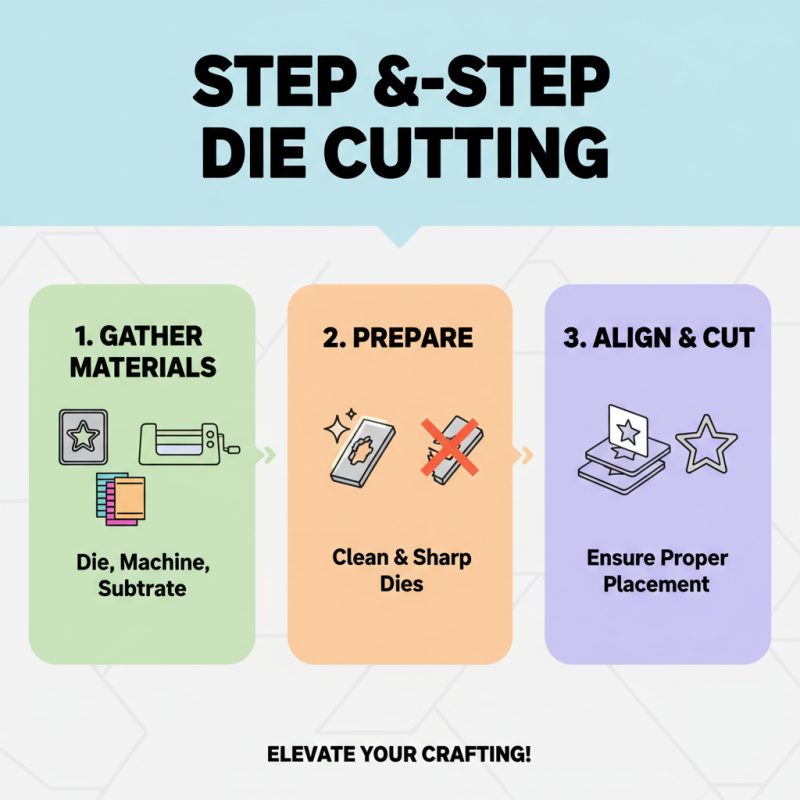
Using a die cutting machine can elevate your crafting projects. Understanding the step-by-step process is essential. Begin by gathering your materials: your die, machine, and substrate. This sets the groundwork for efficient operation. Ensure your dies are clean and sharp. A damaged die can lead to poor cuts, which can be frustrating.
Next, prepare your machine. Depending on your model, adjust the pressure settings to achieve the desired results. According to industry experts, about 30% of user error comes from improper settings. Many beginners overlook this step. Take a moment to read the manual for specific instructions. This can save time and resources.
Once everything is set, position your die and material. Layer your substrate correctly to prevent shifting. Place the top plate over the die, ensuring it’s secure. Run it through the machine. After the cut, carefully remove the pieces. Sometimes, they may stick. This can be a little annoying but can be fixed with a little patience.
Tips: Always test with scrap materials first. Determine the best settings before using your final piece. Keep a cleaning kit handy for maintaining your dies. Regular maintenance boosts their efficiency and longevity. Your attention to detail will greatly enhance your crafting experience.
Tips for Achieving Precision in Die Cutting Projects
When diving into die cutting, precision is key. A clean cut can make a huge difference in your projects. Start with sharp dies and high-quality materials. The finer the die, the sharper the cut. Regularly inspect your tools for wear; dull blades can lead to jagged edges. It’s a common oversight that can ruin an otherwise perfect design.
Next, consider your cutting machine's settings. Incorrect pressure can affect the outcome. Too much pressure might crush the material. Too little can result in incomplete cuts. Experiment with different materials to understand their needs. Some papers are tricky. They might tear easily or warp under pressure. Take notes during each project to refine your technique over time.
Lastly, test cuts are a must. They help you gauge your settings and materials without wasting resources. Sometimes, even seasoned crafters skip this step. It's a risk that can cost time and materials. Don’t hesitate to adjust your approach based on the test results. This will guide you toward achieving that desired precision in your die cutting projects.
Top 5 Die Cutting Techniques You Need to Know
| Technique |
Description |
Best Used With |
Precision Tips |
| Manual Die Cutting |
Using a manual machine to cut through materials with specialized dies. |
Cardstock, Fabric |
Ensure even pressure for clean cuts. |
| Digital Die Cutting |
Using electronic cutters controlled by design software. |
Vinyl, Paper |
Use high-quality designs to minimize material waste. |
| Embossing Die Cutting |
Creates raised designs on surfaces using a die. |
Paper, Leather |
Choose the right pressure setting for the material. |
| Kiss Cutting |
Cuts through the top layer while leaving the backing intact. |
Stickers, Labels |
Calibrate blade depth for accurate cutting. |
| Contour Cutting |
Follows the shape of a printed image on materials. |
Printed Graphics, Stickers |
Align the registration marks properly for accuracy. |
Creative Applications of Die Cutting in Various Crafts
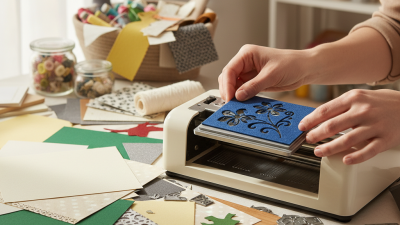
Die cutting is an exciting technique used in many crafts. This method involves cutting shapes and designs from various materials. Crafters use die cutting for scrapbooking, card making, and even home décor. The possibilities are endless. One can create intricate patterns or simple shapes that add flair to any project.
In the world of paper crafting, die cutting allows for detailed embellishments. Imagine a card adorned with delicate floral shapes. It can evoke emotion and convey personal messages. Beyond paper, die cutting works well with fabric and felt too. Crafters can create unique patches or quilt designs. The tactile experience of these materials adds depth to every project.
Yet, die cutting is not without its challenges. Choosing the right material is crucial. Thin cardstock may tear, while thick materials may not cut cleanly. It may require practice to master the technique. Each mistake can be a lesson. Adapting designs or trying new methods fosters creativity. In the end, the joy of creating something unique shines through.

 Contact immediately

 Contact Phone
 Contact Email