What is a Slitting Unit and How Does It Work?
The slitting unit is a crucial piece of machinery in various manufacturing processes. It plays a significant role in cutting large rolls of material into narrower strips. According to a report from Smithers Pira, the demand for slitting units is on the rise, fueled by the growing packaging and automotive industries. This increase highlights the importance of understanding slitting units and their operation.
A slitting unit typically consists of blades, rollers, and tension control mechanisms. These components work together to ensure precise cuts on various materials, including paper, plastic, and metal. The efficiency of a slitting unit can directly impact production rates and material waste. Industry studies suggest that optimizing slitting processes can reduce waste by up to 30%. However, not all slitting units achieve optimal performance, leading manufacturers to seek continuous improvements.
Despite technological advancements, challenges remain. For instance, maintaining blade sharpness is essential for quality cuts. Wear and tear can affect production efficiency. Additionally, operators must be trained adequately to handle such complex machinery. Understanding these dynamics is vital for companies aiming to enhance their slitting operations and reduce costs. Recognizing the nuances of a slitting unit can lead to significant manufacturing improvements, an aspect worth exploring further.
What is a Slitting Unit?
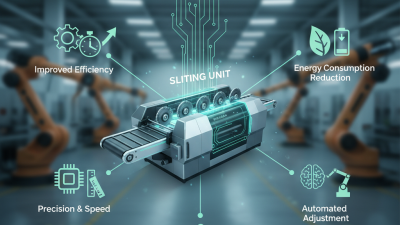
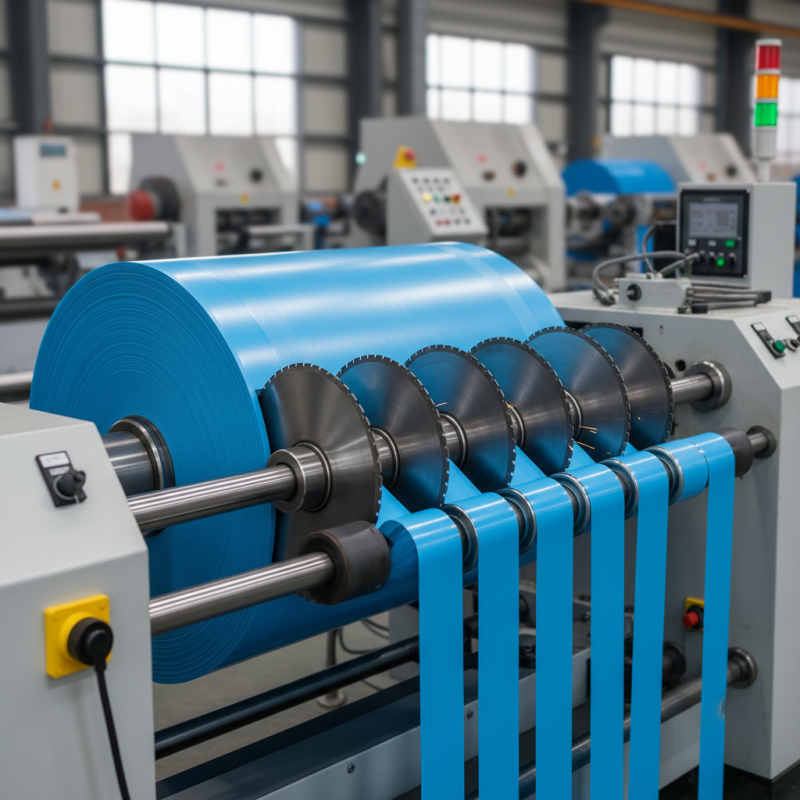
A slitting unit is a crucial component in manufacturing processes involving roll materials. It is designed to cut wide rolls of material into narrower strips. These strips are often used in various industries, such as packaging, textiles, and metalworking. The operation of a slitting unit involves both precision cutting and efficient handling of material under tension.
In recent industry reports, it has been noted that slitting machines enhance productivity by up to 20%. This improvement results from their ability to operate at high speeds while maintaining accuracy. For instance, modern slitting units can achieve cutting speeds of over 1,000 feet per minute. However, the setup time for changing materials can still pose challenges. Operators must carefully adjust blade placements to maintain cutting precision, which requires skill and experience.
Additionally, safety remains a concern. The high-speed operation of slitting units may lead to accidents if proper protocols are not followed. Manufacturers must invest in training for their staff. Reports have emphasized that a well-trained operator can significantly reduce waste and downtime. Yet, even experienced operators occasionally face difficulties during complex jobs, highlighting the need for continuous training and reflection on operational methods.
Principle of Operation for Slitting Units
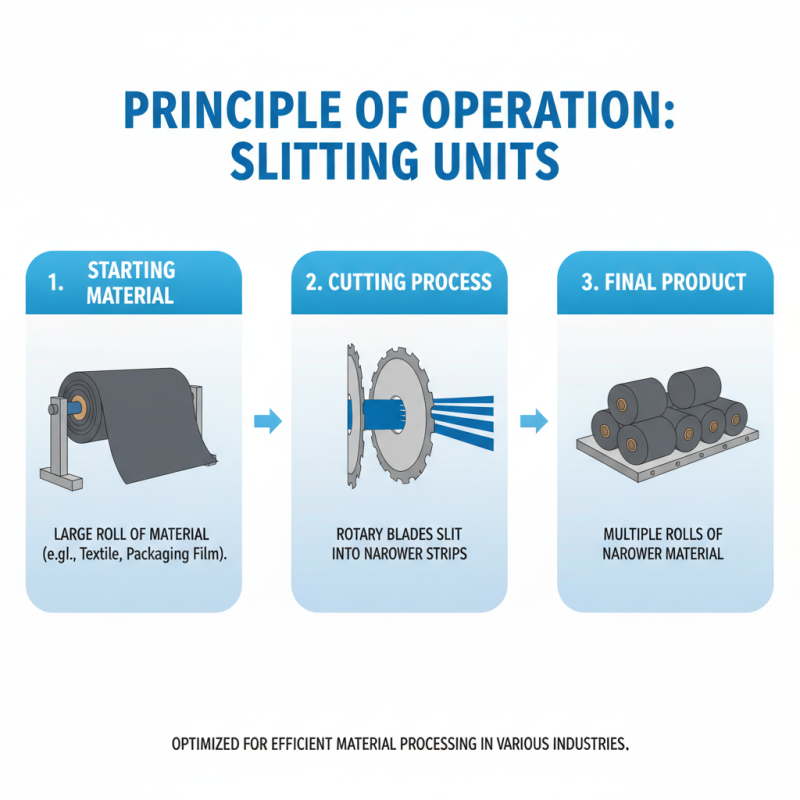
Slitting units are essential in material processing. They cut large rolls of material into narrower strips. This process is common in industries like textiles and packaging. Understanding the principle of operation reveals how effective these machines can be.
The slitting unit operates using sharp blades. As the roll rotates, blades slice through the material. Tension rollers help maintain the right pressure during cutting. Precision is vital, as incorrect tension can lead to uneven cuts. Operators often need to calibrate settings to ensure consistent quality.
While slitting units are efficient, they present challenges. Blades dull over time, requiring regular maintenance. If overlooked, this can cause poor cuts or material waste. Training for operators is often lacking, which can result in mistakes. Continuous improvement in processes can enhance reliability in operations.
Components of a Slitting Unit Explained
A slitting unit is a key component in the manufacturing process of various materials. It allows for the precise cutting of large rolls into narrower strips, which are often used in packaging and converting industries. Understanding the components of a slitting unit is crucial for its effective operation.
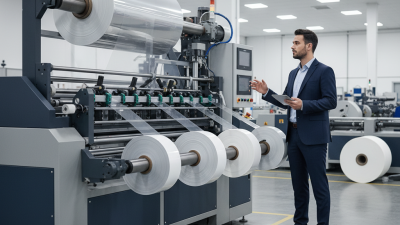
The main parts of a slitting unit include the unwind stand, slitting knives, tension control systems, and the rewind stand. The unwind stand holds the large roll of material securely. It ensures a smooth feed into the slitting area. Slitting knives cut the material accurately, and their positioning is vital for achieving precise widths. Tension control systems maintain appropriate tension throughout the process, preventing wrinkles and misalignments. The rewind stand collects the finished strips, creating neat rolls ready for further processing.
Each component plays a significant role, and any malfunction can affect production quality. Operators must be well-trained to manage these components effectively. Regular maintenance is also essential to ensure reliability. Failure to do so can lead to increased downtime and wasted materials, highlighting the importance of a systematic approach in operating slitting units. Understanding these elements helps improve overall production efficiency and product quality.
Applications of Slitting Units in Industry
Slitting units play a crucial role in various industries. They are widely used in the packaging sector, particularly for films and foils. These units cut large rolls into smaller, manageable sizes. The precision in this process is vital for maintaining quality in the final product.
In the textile industry, slitting units are essential for processing fabrics. They help manufacturers achieve specific widths required for garment production. The reliability of these machines ensures minimal waste. Users often reflect on optimizing speed while maintaining split accuracy.
Moreover, slitting units are used in the paper industry. Proper slitting allows for the creation of labels and specialty papers. This process may seem straightforward, yet it demands constant adjustments. Operators often face challenges in achieving perfect symmetry. Monitoring the outcomes helps improve techniques continually.
Slitting Unit Applications in Industry
This chart illustrates the applications of slitting units across various industries, highlighting the percentage of usage for each material type in the slitting process.
Maintenance and Safety Considerations for Slitting Units
Maintenance is crucial for the efficient operation of slitting units. Regular checks on blade sharpness prevent subpar cuts. Blade dullness can lead to material waste and increased downtime. A study by the Institute of Packaging Professionals indicates that consistent maintenance can reduce operational costs by up to 15%. Operators should follow a scheduled maintenance routine, focusing on blade alignment and pressure settings.
Safety is often overlooked, yet it is paramount in slitting unit operations. According to OSHA statistics, improper handling of machinery leads to over 40% of workplace injuries. Employees need training on lockout/tagout (LOTO) procedures. This reduces the risk of accidental machine startups during maintenance. Additionally, ensuring all guards are in place protects workers from moving parts. It's not enough to just adhere to guidelines; a culture of safety awareness must be fostered.
Despite these measures, issues can arise. Human error can lead to oversights in maintenance schedules. Staff training programs may not be comprehensive enough. Regular audits can help identify gaps in safety practices. Engaging with staff for feedback can spotlight areas needing improvement. Every operation must adapt and learn from past mistakes to enhance both maintenance protocol and safety practices.
What is a Slitting Unit and How Does It Work? - Maintenance and Safety Considerations for Slitting Units
| Aspect |
Description |
| Function |
A slitting unit is used to cut large rolls of material into narrower strips. |
| Common Materials |
Paper, film, foil, and various types of textiles. |
| Components |
Knives, unwind stands, rewind stands, and tension controls. |
| Working Principle |
Material is fed into the unit, and rotating blades slit it into desired widths and lengths. |
| Maintenance Needs |
Regular inspection of blades, lubrication of moving parts, and adjustment of tension controls. |
| Safety Considerations |
Use of guards, personal protective equipment, and lockout/tagout procedures during maintenance. |
| Operational Efficiency |
Maximizing productivity through speed settings and minimizing downtime. |

 Contact immediately

 Contact Phone
 Contact Email