What is a Die Cutting Press and How Does It Work?
In the world of manufacturing and design, the Die Cutting Press plays a crucial role. Expert Mark Wilson, a leading figure in the die-cutting industry, once stated, "The efficiency of a Die Cutting Press can transform production workflows." This powerful machine cuts various materials, including paper, fabric, and plastic, into specific shapes and sizes.
A Die Cutting Press utilizes a combination of pressure and precision to achieve its intended results. The press operates with a die, a specialized tool that shapes the material. The result can be intricate designs or functional parts. Sometimes, users overlook the importance of maintenance, which can lead to flawed cuts or inefficiencies. Failing to regularly inspect and care for this equipment may result in costly delays.
Understanding the mechanisms of a Die Cutting Press is essential for those in the industry. It plays a vital role in sectors like packaging, apparel, and more. By grasping its operation, users can enhance production quality. However, navigating the complexities can be challenging. There is always room for improvement in utilizing this powerful equipment effectively.
What is a Die Cutting Press?
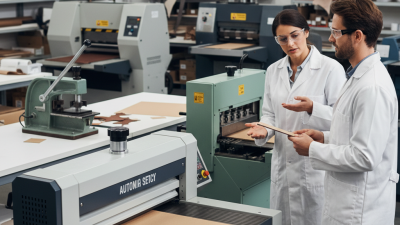
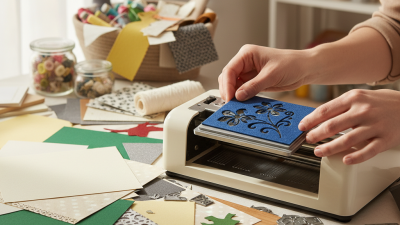
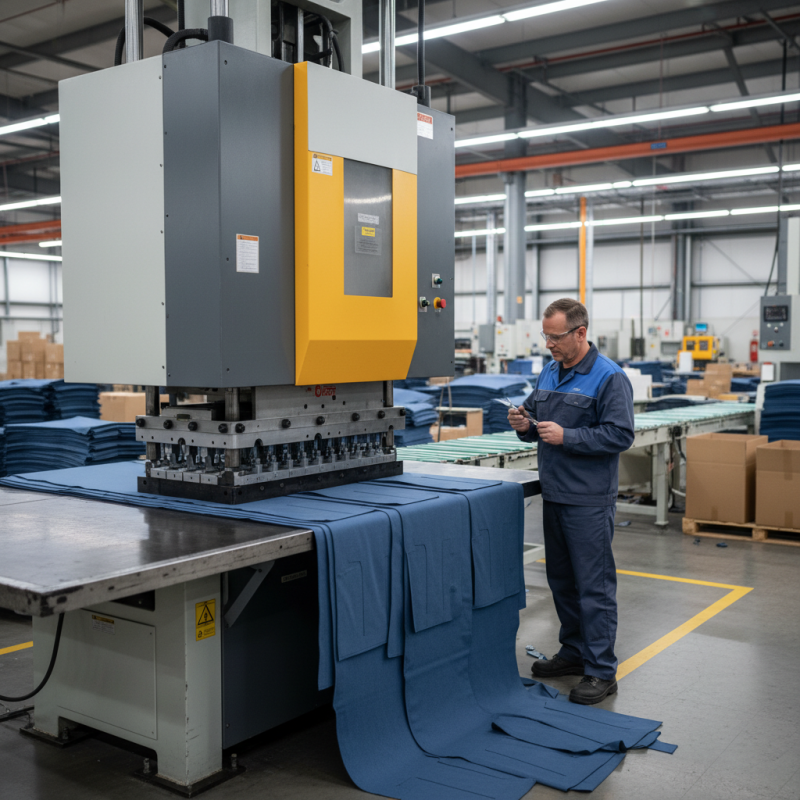
A die cutting press is a powerful machine used to cut various materials into specific shapes. It uses a die, which is a specialized tool that presses down on the material to create precision cuts. This process is essential in industries like packaging, textiles, and crafts. The press operates mechanically or hydraulically, applying force to ensure clean edges and accurate designs.
When thinking about a die cutting press, consider its versatility. It can handle paper, cardboard, fabric, and even thin metals. The setup process can be intricate. Aligning the die correctly with the material often requires adjustments. Sometimes, the pressure may not be even, leading to imperfect cuts. This can result in wasted materials or need for corrections. It’s crucial to address these challenges to improve the workflow.
Many users find the learning curve steep. Understanding the machine’s capabilities takes time. Experimentation can sometimes yield unexpected results. These moments often lead to innovation but can also be frustrating. Persistence is key to mastering the die cutting process and producing high-quality outcomes.
Die Cutting Press Usage in Various Industries
This chart represents the usage percentage of die cutting presses in various industries. Packaging is the predominant sector, making up 40% of the total usage, followed by textiles and automotive industries.
Key Components of a Die Cutting Press
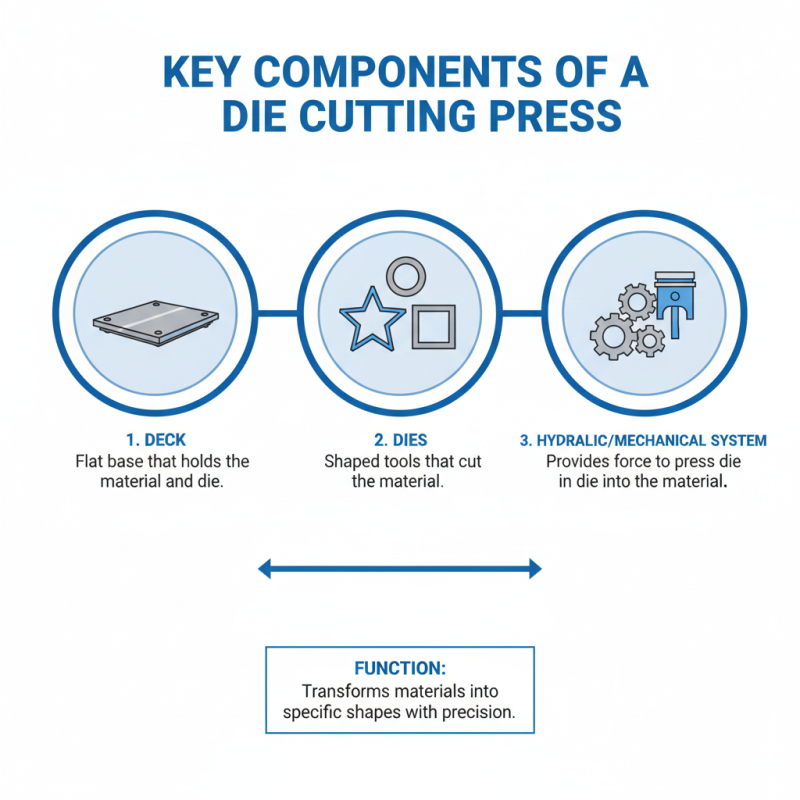
A die cutting press is an essential machine in manufacturing. It transforms materials into specific shapes using a die. The core components of a die cutting press include the deck, dies, and the hydraulic or mechanical system that provides pressure. Each of these parts plays a vital role in the press's effectiveness and precision.
The deck serves as the foundation. It supports the material being processed and ensures stability during cutting. According to industry reports, nearly 75% of die cutting errors stem from misalignment on the deck. The dies create the desired shapes, commonly made from hardened steel. Regular maintenance of dies is crucial as dull or damaged dies can lead to decreased efficiency and increased waste, which impacts overall production costs.
The hydraulic or mechanical system generates the force necessary for cutting. Hydraulic systems are popular for their efficiency. However, they can require more frequent maintenance than mechanical systems. A recent study highlighted that about 30% of production downtime occurs due to hydraulic failures. Manufacturers must consider these challenges. Striking a balance between productivity and maintenance can be challenging but is vital for long-term success.
Mechanism: How a Die Cutting Press Operates
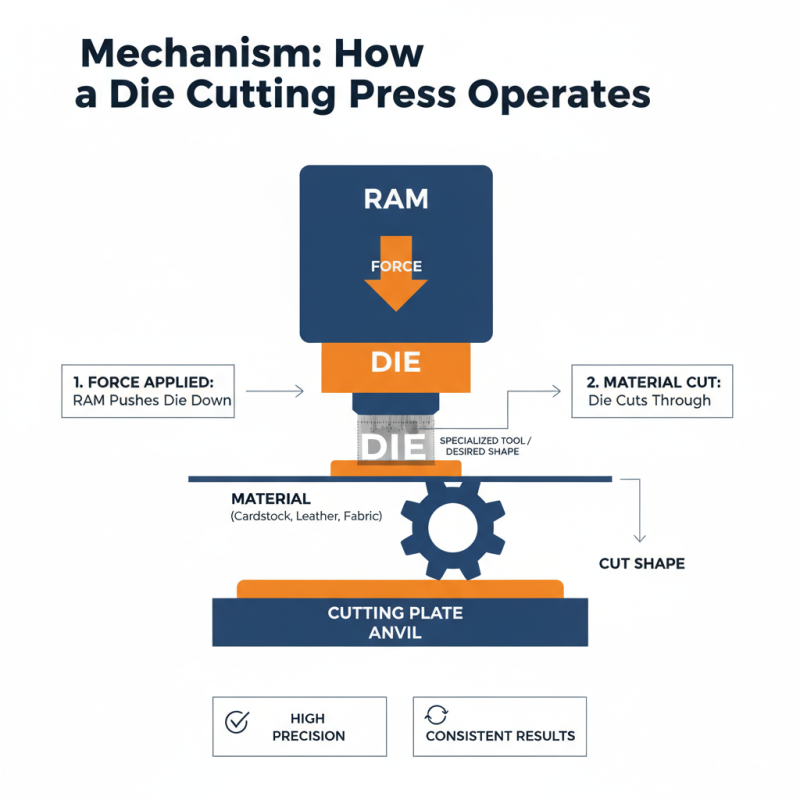
A die cutting press is a machine used in various industries to cut materials into specific shapes. At its core, it involves a die, which is a specialized tool that holds the desired shape. The press exerts force on the material, enabling the die to cut through it efficiently. This process is highly precise, allowing for consistent results across multiple items.
The mechanism of a die cutting press starts with the setup of the die and material. Operators position the material beneath the die. Then, the press applies pressure, typically using hydraulic or mechanical systems. This force pushes the die into the material, slicing through it cleanly. Sometimes, the results aren’t perfect. Misalignment can lead to uneven cuts. Crafting a die involves expertise and attention to detail, which is crucial for achieving high-quality outputs.
As the press operates, it can produce various shapes and sizes. Each stroke of the press may reveal inconsistencies. Operators must regularly check and calibrate the machine. It’s important to maintain a balance between speed and precision. Rushing the process can compromise the final quality. Understanding these nuances is vital to mastering die cutting. Each mistake can be a learning opportunity, enhancing skills for future projects.
Applications of Die Cutting Presses in Various Industries
Die cutting presses serve various industries, providing efficiency and precision in production. In packaging, for instance, these machines create custom shapes for boxes and labels. This process reduces material waste and enhances appeal. In the apparel industry, die cutting helps in designing intricate patterns for fabrics. It allows for consistent cuts, ensuring uniformity across garments.
In the automotive sector, die cutting presses are vital for producing interior components. Parts like gaskets and foam pads are cut with precision. This reduces the need for additional adjustments during assembly. However, challenges exist. The setup process can be time-consuming. Sometimes, the initial run doesn’t yield perfect cuts, requiring further calibration. This leads to delays that manufacturers want to avoid.
The use of die cutting in electronics is growing as well. It aids in creating insulation materials and other critical components. While this skill enhances production speed, it also raises quality control concerns. Each cut must meet rigorous standards. Even slight deviations can result in product failures. The importance of adhering to specifications cannot be overstated in any industry.
Benefits of Using a Die Cutting Press
Die cutting presses are versatile tools used in various industries. They shape materials like paper, cardboard, and fabric into specific forms. The benefits of using a die cutting press are significant for businesses looking to streamline production.
One major benefit is precision. A die cutting press ensures that every cut is accurate. This reduces waste and saves materials. When working with intricate designs, the press maintains high-quality output consistently. For businesses, this translates to cost savings and improved efficiency.
Tips: When setting up the press, ensure your dies are sharp. Dull dies can cause miscuts. Regular maintenance checks are crucial. It helps in identifying wear and tear early.
Another key benefit is speed. Die cutting presses operate quickly. They can handle large volumes at a time. This capability is especially useful in industries such as packaging and textiles. The fast turnaround time meets market demands effectively.
Tips: Experiment with different materials to see how they perform. Certain materials may require adjustments in pressure or speed. Keep a log of your findings to track improvements.
What is a Die Cutting Press and How Does It Work? - Benefits of Using a Die Cutting Press
| Feature |
Description |
Benefits |
| Precision |
Allows for detailed shapes and patterns to be cut. |
Enhances quality and accuracy of printed materials. |
| Speed |
High-speed operation for large runs of products. |
Increases production efficiency and reduces lead times. |
| Versatility |
Can work with various materials, including paper, cardboard, and leather. |
Ideal for different industries, including packaging and crafts. |
| Cost-Effective |
Low operating costs for high-volume production. |
Helps businesses save money on long-term projects. |
| Easy Setup |
Simplified design and cutting process. |
Reduces complexity and time needed for new projects. |

 Contact immediately

 Contact Phone
 Contact Email