Understanding Automatic Cnc Machine Trends in China Top Manufacturing Sector?
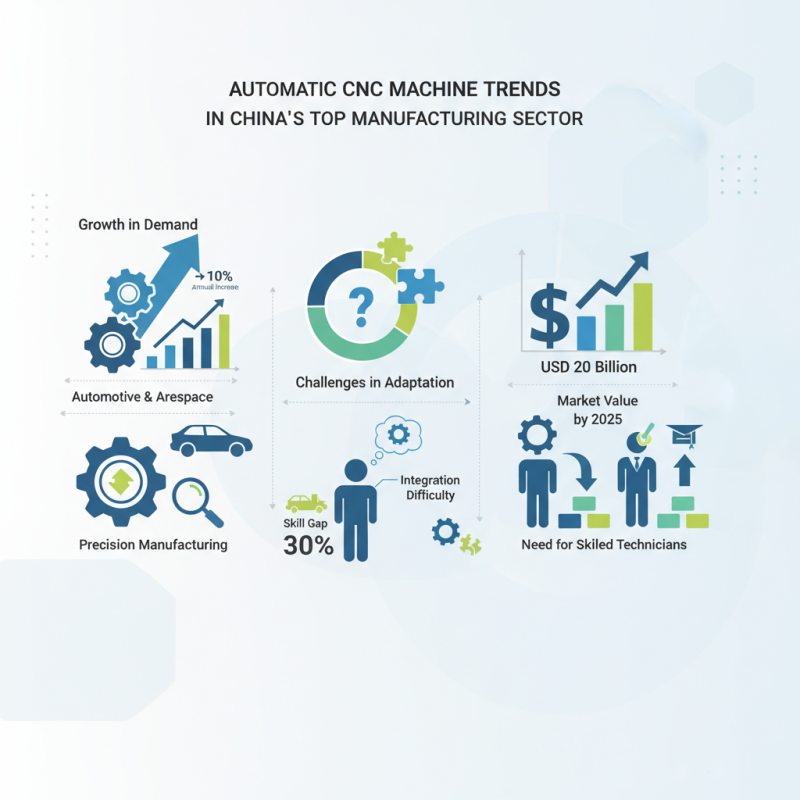
The rise of Automatic CNC Machines in China's manufacturing sector marks a significant shift towards automation and efficiency. According to a report from the China Machine Tool Industry Association, the demand for CNC machines has increased by over 10% annually. This growth reflects a broader trend toward precision manufacturing, driven by the automotive and aerospace industries.
However, this transition is not without challenges. Many manufacturers struggle to adapt to new technologies. A survey from Deloitte indicates that over 30% of companies find it difficult to integrate these advanced systems effectively. This gap in expertise raises concerns about maintaining quality and efficiency.
The automatic CNC machine market is expected to reach USD 20 billion by 2025, highlighting its importance. Yet, the reliance on automation raises questions about job displacement and the need for skilled technicians. The industry must address these issues to fully realize the potential of automatic CNC technology in China.
Current State of CNC Machine Adoption in China's Manufacturing Sector
China's manufacturing sector is experiencing a significant shift with increased CNC machine adoption. This trend is fueled by the need for precision and efficiency. Many factories are integrating advanced CNC techniques to enhance production quality. However, the transition to these technologies is not without challenges.
The current state of CNC machine adoption reveals a spectrum of readiness among manufacturers. Some companies have embraced automation fully, while others struggle with outdated systems. The lack of skilled workers in this domain complicates the transition. Moreover, financial constraints often hinder smaller manufacturers from investing in new technologies. These factors create a mixed landscape in the embrace of CNC machines.
Despite these hurdles, the importance of CNC in modern manufacturing cannot be overlooked. It offers benefits like reduced waste and improved turnaround times. Yet, the journey to full automation requires a thoughtful approach. Manufacturers need to weigh the costs against the potential gains. Continuous training and investment in talent will be crucial. The road ahead is challenging but vital for competitiveness in the global market.
Key Trends Driving the Growth of CNC Machines in China
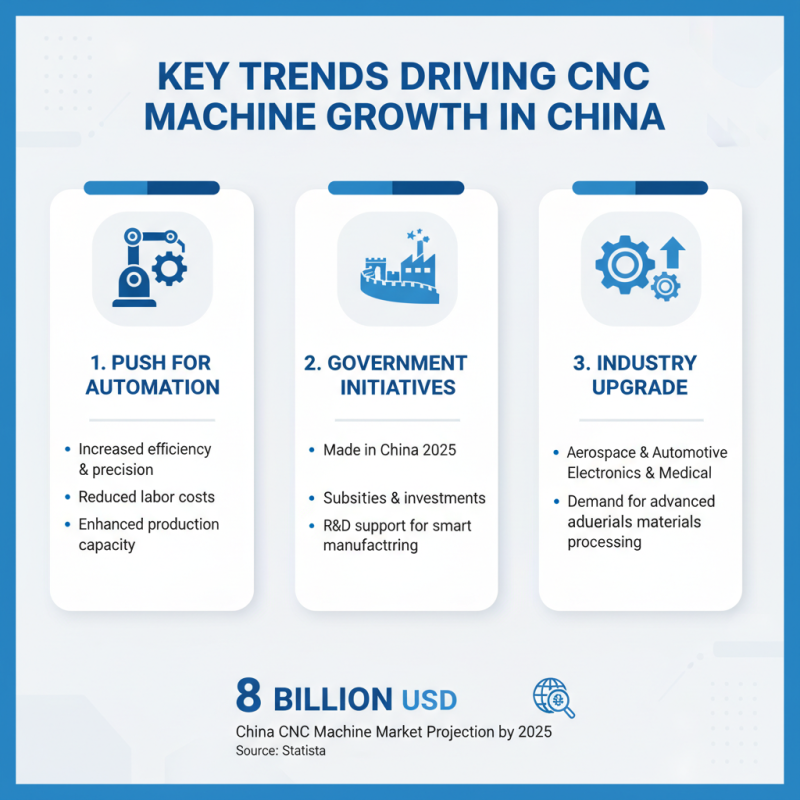
CNC machines are increasingly crucial in China's manufacturing sector. Various trends are driving their growth. One significant factor is the push for automation. According to a report from *Statista*, the CNC machine market in China is projected to reach approximately $8 billion by 2025. This reflects a rapid adoption of automation technologies in production processes.
Another trend is the shift towards precision and efficiency. Manufacturers are seeking to minimize waste and enhance productivity. A survey by *ResearchAndMarkets* indicates that nearly 65% of surveyed manufacturers are investing more in advanced CNC technologies. These technologies provide better accuracy in machining, vital for meeting global quality standards. However, challenges remain. Many companies still rely on outdated equipment, often hindering efficiency. The gap between old and new machinery can lead to inconsistencies in production.
Additionally, the growing demand for customization drives CNC machine usage. More industries now require tailored solutions for specific production needs. This trend translates to an increase in orders for flexible and adaptable machinery. Interestingly, while the focus is on technological advancement, workforce training remains a concern. A skilled workforce is essential to operate these advanced machines effectively. The need for ongoing training highlights a potential hurdle in embracing the full capabilities of CNC technology in China.
Technological Innovations in CNC Machinery and Their Impacts
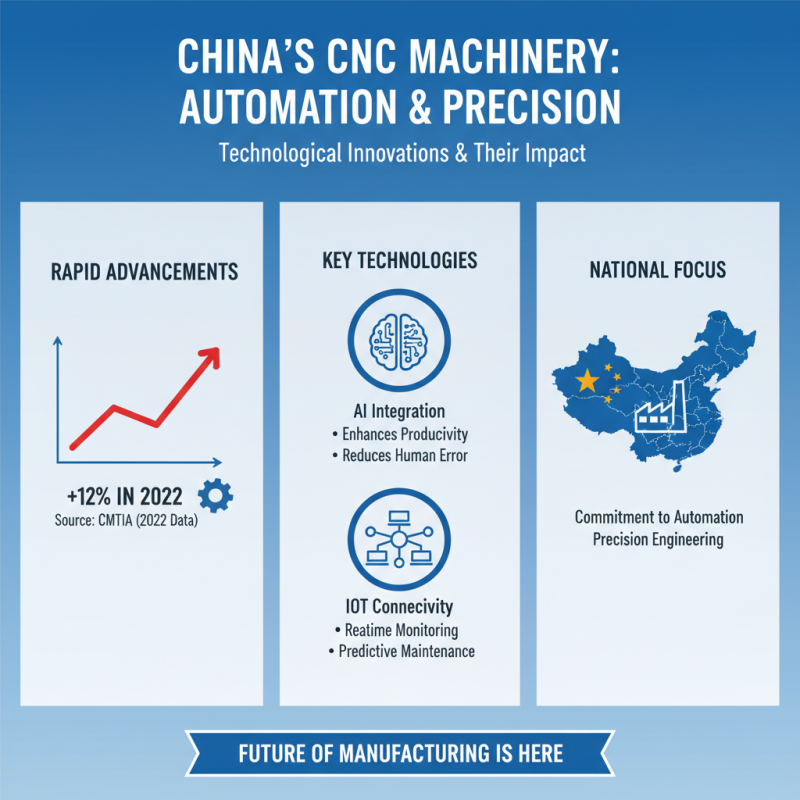
In recent years, China's CNC machinery sector has witnessed rapid technological advancements. Data from the China Machine Tool Industry Association (CMTIA) indicates that production in this sector grew by 12% in 2022. Such growth reflects the country’s commitment to automation and precision engineering. The integration of AI and IoT in CNC machines enhances productivity and reduces human errors.
The introduction of smart CNC systems is a game-changer. These machines can self-optimize, adapting to various parameters in real-time. According to market research by Mordor Intelligence, the CNC market in China is expected to reach USD 30 billion by 2025. This surge showcases the importance of data analytics and remote monitoring in manufacturing processes. However, challenges remain. Many operators require extensive training to leverage these systems fully, which can create a delay in implementation.
Moreover, sustainability is becoming a pressing concern. Although CNC machinery is efficient, the energy consumption and waste associated with mass production raise questions. Companies must balance innovation with environmental responsibility. As the industry evolves, addressing these complexities will be essential for sustainable growth. The path is promising, yet reflection on these challenges is necessary for future advancements.
Challenges Facing CNC Machinery Implementation in Chinese Factories
The implementation of CNC machinery in Chinese factories faces several challenges. A significant hurdle is the lack of skilled workers. Recent reports show that over 60% of manufacturers struggle to find operators trained specifically in CNC technology. This skills gap often leads to inefficient operations and increased downtime.
Another challenge is the high initial investment required to integrate CNC systems. Many factories operate on thin margins and may hesitate to allocate funds for costly machinery. This hesitation can hinder growth potential. Moreover, 35% of small to medium-sized enterprises report difficulties in maintaining their CNC equipment. Regular maintenance is vital yet often overlooked, risking costly repairs down the line.
Tips for overcoming these challenges include:
- Investing in employee training programs. Educating current workers can enhance efficiency and reduce errors.
- Considering phased implementation of CNC upgrades. This method minimizes financial strain and allows for gradual adaptation.
- Regular audits of CNC equipment to address maintenance issues before they escalate.
A careful approach can lead to sustained improvements in productivity and efficiency.
Future Outlook: CNC Machine Development in China's Manufacturing Landscape
The landscape of CNC machine development in China's manufacturing sector is evolving rapidly. As per a recent industry report, the Chinese CNC machine market is projected to grow at a compound annual growth rate (CAGR) of 8.5% from 2023 to 2028. This growth reflects the ongoing push for automation and precision manufacturing. Increasing labor costs have forced factories to innovate, making CNC machines essential.
Advancements in technology are critical to this progress. Incorporating AI and IoT capabilities into CNC machines enhances their efficiency and functionality. A report from the China Machine Tool Industry Association indicates that about 35% of manufacturers have already integrated smart technologies into their CNC systems. However, challenges persist. Many firms still struggle with the high initial costs of investing in modern CNC equipment. There’s a noticeable gap between advanced technology and its adoption in smaller enterprises.
Moreover, the global supply chain disruptions have affected machinery imports and exports. Concerns around quality assurance and reliability continue to grow. Manufacturers express anxiety about raw material shortages and fluctuating prices. There is a need for a resilient supply chain to support this sector's ambitious future. As manufacturers navigate these complexities, their growth will hinge on adaptability and strategic investments in technology.

 Contact immediately

 Contact Phone
 Contact Email