Why Choose an Automatic CNC Machine for Your Business Needs?
In today's competitive manufacturing landscape, businesses face constant pressure to enhance efficiency. An Automatic CNC Machine can play a crucial role in meeting this demand. These machines bring precision, speed, and consistency to production processes. They minimize human error, which is essential for maintaining high-quality standards.
Choosing an Automatic CNC Machine involves various considerations. It's vital to assess the specific needs of your business. The initial investment might seem substantial, but the long-term benefits often outweigh the costs. This decision can substantially impact productivity. Your choice will affect not just output but also the workforce dynamics.
Nonetheless, adopting new technology can be daunting. Employees may resist change. Moreover, not every company is ready for such an upgrade. Understanding these challenges is key. Reflecting on these factors will help you make an informed decision that aligns with your business goals. Investing thoughtfully in an Automatic CNC Machine could lead to remarkable advancements.
Advantages of Automatic CNC Machines in Manufacturing
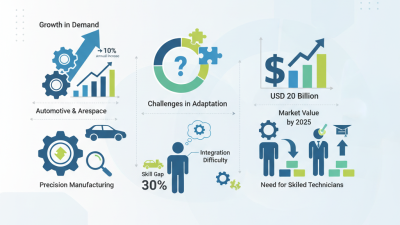
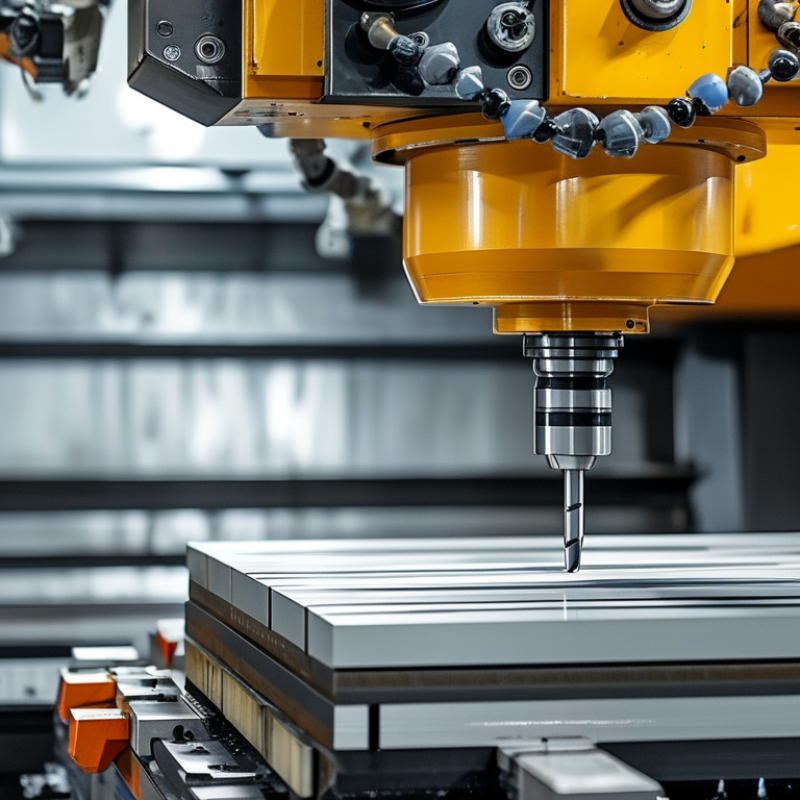
Automatic CNC machines have become essential tools in modern manufacturing. They offer numerous advantages that can improve efficiency and productivity. According to a report by MarketsandMarkets, the CNC machine market is expected to grow at a CAGR of 8.4% from 2021 to 2026. This emphasizes the increasing reliance on automated systems.
One significant benefit of these machines is precision. They can produce complex parts with tolerances of less than 0.01 millimeters. This level of accuracy is hard to achieve with manual processes. Moreover, automatic CNC machines reduce human error and variability. A study from the International Journal of Advanced Manufacturing Technology found that automation can reduce manufacturing defects by up to 50%. This leads to a better-quality product and lower costs in the long run.
However, it's vital to consider the initial investment. High-quality CNC machines can be costly. Businesses must weigh this against long-term efficiency gains. Regular maintenance is also critical to avoid breakdowns. These factors can challenge smaller manufacturers. They may need to assess whether the transition to automation fits their business model. Balancing the rewards and risks is part of the journey in adopting these advanced technologies.
Key Features of Automatic CNC Machines for Businesses
Automatic CNC machines are transforming manufacturing across various industries. One critical feature is precision. According to a report by the International Journal of Advanced Manufacturing Technology, CNC machines can achieve machining tolerances as tight as ±0.005 mm. This level of accuracy reduces waste and rework, ultimately lowering production costs.
Another key aspect is automation. A study by the American Society of Mechanical Engineers notes that businesses using CNC automation see productivity increases of up to 50%. This efficiency boosts output without sacrificing quality. Yet, adopting these technologies can pose challenges. Companies often face high initial investment costs and require staff training. Ensuring proper integration into existing workflows is also vital.
Flexibility is an important feature as well. Modern CNC machines can handle various materials, including metals, plastics, and composites. Recent data from the Robotics Industry Association indicates that over 60% of manufacturing firms have started using CNC machines for diverse applications. However, businesses must carefully evaluate their specific needs. Understanding the machinery's capabilities is essential to maximize its potential.
Why Choose an Automatic CNC Machine for Your Business Needs? - Key Features of Automatic CNC Machines for Businesses
| Feature |
Description |
Benefits |
| Precision Cutting |
Automatic CNC machines offer high accuracy in cutting, enabling the production of intricate designs. |
Reduced wastage of materials and improved product quality. |
| Increased Speed |
These machines can operate continuously at high speeds without compromising quality. |
Faster production times, leading to higher output and efficiency. |
| Automation |
Automatic CNC machines are programmed for complex tasks, minimizing manual intervention. |
Lower labor costs and reduced risk of human error. |
| Versatility |
They can work with various materials such as metals, plastics, and wood. |
Ability to handle diverse projects, enhancing business capability. |
| Ease of Use |
User-friendly interfaces and software for programming machines. |
Quick training for operators and increased productivity. |
Cost-Benefit Analysis: Investing in Automatic CNC Machines
Investing in automatic CNC machines can significantly enhance production efficiency. A report from the International Federation of Robotics indicates that automation in manufacturing has increased productivity by up to 30%. This improvement can lead to faster production cycles and reduced labor costs. For businesses facing budget constraints, this is crucial.
Cost analysis shows that while the initial investment for CNC machines may seem high, the long-term savings outweigh these upfront expenses. According to industry experts, operational costs can decrease by almost 15% once automation is implemented. This happens because automatic machines reduce human error, cutting down waste and rework.
However, not all businesses see immediate gains. Transitioning to automated systems requires training and adjustments. Employees may resist these changes, which can temporarily disrupt production. It’s essential to consider these factors before making a decision. Each business must evaluate its current processes and workforce readiness to fully harness the benefits of CNC automation.
Applications of Automatic CNC Machines Across Industries
Automatic CNC machines have transformed multiple industries, offering precision and consistency. In manufacturing, these machines excel at creating complex parts. They are used in automotive and aerospace sectors for high-volume production. With an automatic CNC machine, businesses can produce intricate designs that would be impossible manually. This technology reduces human error and minimizes waste, ensuring products meet strict quality standards.
In the woodworking industry, automatic CNC machines allow for the creation of detailed furniture and cabinetry. Custom designs can be achieved with ease, enhancing creativity. Moreover, the flexibility of these machines enables quick adjustments to designs. However, initial setup can be time-consuming, requiring skilled operators to program and calibrate the machines properly. This presents ongoing challenges in training and workforce management.
In metalworking applications, automatic CNC machines are vital for precision machining. They can tackle tasks like milling, turning, and drilling with remarkable efficiency. Still, the reliance on automation raises concerns. If not handled correctly, glitches and malfunctions can occur. Regular maintenance and updates are essential to mitigate these risks. It's an essential investment but not without its hurdles.
Future Trends in CNC Technology for Business Growth
Investing in automatic CNC machines can significantly boost your business efficiency. As technology advances, new trends emerge that enhance production capabilities. One notable trend is the integration of AI into CNC systems. This allows machines to adapt and learn from previous tasks, improving over time. Businesses must consider how these advancements can streamline their operations.
Incorporating automation not only saves time but also reduces human error. However, transitioning to CNC technology involves challenges. Training staff to operate complex systems is often necessary. It’s essential to have clear protocols in place to ensure optimal machine use.
Tips for successful implementation include: regularly updating your machinery, conducting thorough training sessions, and monitoring output closely. By fostering a culture of continual learning, businesses can stay ahead of technological shifts. Embracing these trends positions companies for sustainable growth. Reflecting on shortcomings can lead to innovative solutions, driving further efficiency.

 Contact immediately

 Contact Phone
 Contact Email